
Unpaid Invoices: 5 Proven Ways to Collect What You’re Owed
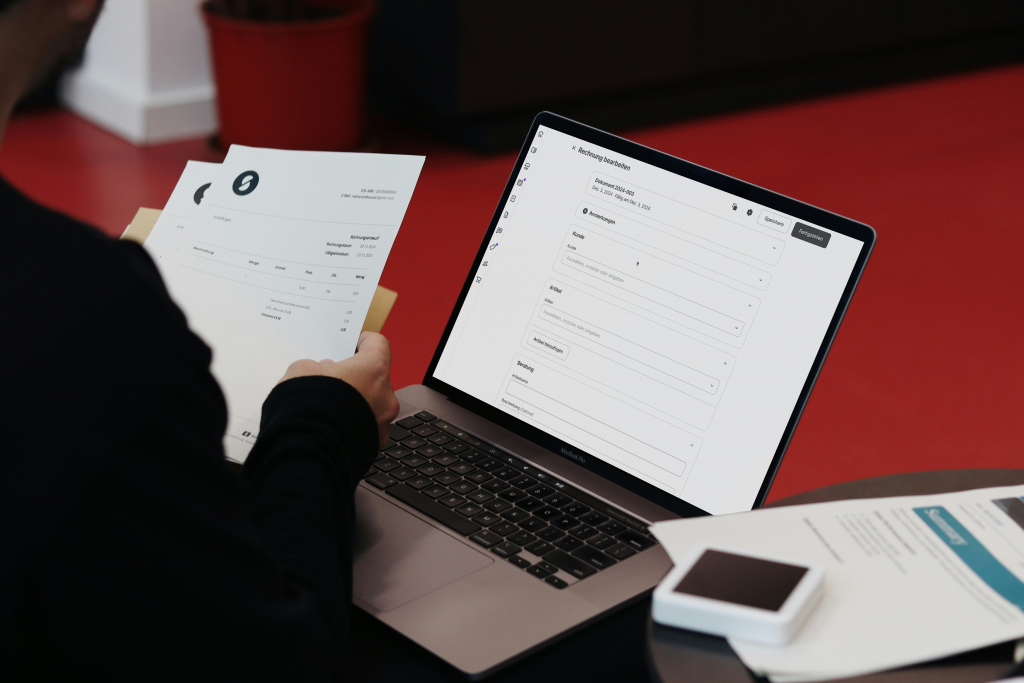

An unpaid invoice is money your business is owed that hasn't arrived in your account by the agreed-upon date. When clients don't pay, your cash flow gets strangled. You can't cover payroll, pay suppliers, or reinvest in your business. The solution requires escalation: start friendly, then get serious with late fees, phone calls, payment plans, debt collectors, and, if necessary, legal action.
Get Your Money: 5 Ways to Collect Unpaid Invoices
Unpaid invoices affect your cash flow and delay your business operations. They're a normal part of working with clients, but they still require timely follow-up so the payment doesn't slip through the cracks. Most clients respond after a reminder; when they don't, a clear process for escalation makes it easier to collect what's due. Here are five practical methods to recover outstanding payments.
1. Send an overdue invoice reminder email within 7 days past due
Your first step should be to send a professional yet firm reminder email within 7 days of the invoice becoming past due. Most late payments result from simple oversights: a payment slipped through the cracks, was buried in their inbox, or got stuck in accounting. A polite but direct email often resolves the issue immediately without requiring confrontation.
Keep it short, reference the specific invoice number and amount, and set a clear deadline for a response. Here's an example:
If they don't respond, continue sending follow-up emails every 5 to 7 days for the next two to three weeks. This keeps the invoice on their radar without overwhelming them and provides a consistent record of communication.
2. Make a direct phone call and negotiate or set a payment deadline
Email gets ignored, phone calls are harder to dodge. When emails stop working after 2 to 3 attempts, you move to direct contact. Pick up the phone and speak to your contact directly. It's much harder for someone to brush you off in a real conversation. Here's how to make the call count:
- Reference the specific invoice number, amount, and original due date to avoid confusion about what you're calling about.
- Ask directly when they'll pay, then remain silent and let them respond; that silence creates real pressure to respond.
- If they claim they can't pay the full amount immediately, negotiate a concrete payment plan with specific milestone dates.
- Do not end the call until you have a specific date they'll pay, and write down exactly what they promise.
Most people feel compelled to fill uncomfortable silence, and you'll often get a more honest answer about what's really happening with your payment. You can agree to partial payments if they commit to dates, or require them to prioritize your invoice over other vendors. The goal is to extract a firm commitment before you hang up. Send a follow-up email confirming the terms so everything is documented. If you're uncomfortable with confrontation, have your bookkeeper or accountant make this call on your behalf.
3. Charge a late payment fee and enforce it immediately
Late fees create actual financial consequences that motivate payment. If your original contract included late payment penalties, now is the time to implement them.
Keep the fee specific and straightforward, not a percentage that requires math, but a flat amount that's easy to understand. For example: "Total due by June 1st: $100. Total due after June 1st: $110." This removes any ambiguity about what they owe and makes the cost of delay crystal clear.
When an invoice becomes overdue, send the customer a formal written notice stating that the late fee has been applied and is now part of the amount due. You can offer to waive it as a one-time courtesy if they pay within 48 hours, creating urgency while preserving goodwill. This signals you're not playing around and that non-payment has real costs.
4. Cut off all work until outstanding invoices are paid in full
This is your leverage. If a client isn't responding to emails, phone calls, or payment plans, you need to establish a firm boundary: no additional work will be done until all outstanding invoices are paid in full.
Send this in writing so there's clear documentation. Be professional but non-negotiable. Explain that you cannot continue investing time and resources for a client who isn't honoring their financial commitments. You might lose this client, but continuing to work for someone who won't pay is a guaranteed way to compound your losses. Protecting your business comes first.
Often, the threat of stopping work is enough to get payment. Clients who depend on your services will suddenly find a way to prioritize your invoice when they realize you're serious about cutting them off.
5. If all attempts fail, move to legal recovery options
If repeated reminders and follow-ups don't work, your next step is to use formal recovery methods. The simplest legal option is working with a debt collection agency. They handle the entire process for you, and many clients pay promptly once a collector is involved because it signals the matter is now serious. Collection fees vary, but in many cases, you can pass the cost on to the debtor.
You can also send a Letter Before Action if the debt collector doesn't resolve the issue. An LBA is a formal notice that outlines the debt, sets a payment deadline, and states that you're prepared to take the case to court if they don't respond. Many clients pay upon receipt of this letter, as ignoring it can result in court fees, judgments, and enforcement.
Here's an example:
If the LBA still doesn't resolve the issue, you can take the case to small claims court or work with a lawyer for more complex situations. Legal action takes time and incurs additional costs, so I recommend pursuing it only when the amount owed makes the process worthwhile. For smaller debts under a few thousand dollars, small claims court is often the most practical option.
What Happens When You Ignore Unpaid Invoices
Ignoring unpaid invoices isn't like ignoring a spam email. The longer an invoice remains unpaid, the more severe the consequences. Understanding what happens if you don't take action should motivate you to move quickly. Below are the serious consequences that result when you leave invoices unpaid.
1. Your cash flow collapses and operations suffer (the first 30-60 days)
When invoices aren't paid within 30 to 60 days, money that should be in your bank account simply isn't there. This creates immediate operational problems that cascade throughout your business:
- You can't meet payroll on time, which damages employee morale and can lead to turnover.
- You can't pay suppliers who are keeping your business running, putting those relationships at risk.
- You can't invest in growth opportunities or cover emergency expenses when they arise.
- Your suppliers may start demanding faster payment or cash-on-delivery terms because they've noticed your cash position is weak.
The ripple effects spread quickly. One unpaid invoice can trigger a cascade of problems throughout your entire operation. This can damage your credit relationships and your professional reputation before you've even recovered from the unpaid invoice. At this stage, you're still in active recovery mode, but action is urgent. Every day you wait worsens the situation and reduces the client's incentive to prioritize your payment.
2. The probability of ever getting paid drops sharply after 90 days
Here's the hard truth backed by collected data: if an invoice remains unpaid for 90 days or longer, your chances of collecting it drop dramatically. At this point, the client either genuinely can't pay or has decided not to prioritize your invoice.
The longer an invoice sits, the colder the trail becomes and the less motivated the debtor is to settle it. What started as a simple payment reminder has now become a serious bad debt issue. Your options become more expensive, more time-consuming, and significantly less likely to result in recovery. Many businesses eventually write off invoices that reach this stage because the cost of collection exceeds the amount owed.
3. You face bad debt write-offs that damage your financial health
After exhausting collection efforts, you may have to accept that some invoices simply won't be paid. Writing off bad debt damages your financial statements, reduces reported profitability, and can impact your credit rating and ability to secure financing in the future. This is money you already spent time and resources earning. It's gone forever.
Beyond the financial loss, there's the psychological toll of being stiffed, which can erode confidence in your pricing, your ability to vet clients, and your willingness to extend credit. Some business owners become so burned by bad debt that they overcompensate by demanding unreasonable payment terms from good clients, which hurts their ability to compete.
How To Prevent Unpaid Invoices Before They Start
The smartest move you can make is to prevent unpaid invoices in the first place. Prevention eliminates 80% of payment problems before they arise. Set up the right systems and clear expectations from day one, and you'll spend far less time chasing money and far more time growing your business.
1. Build an airtight contract with the four critical clauses
A handshake deal or a casual email exchange is not enough. You need a written contract that protects your cash flow and makes payment expectations crystal clear. Your contract doesn't need to be 50 pages of legal jargon, but it absolutely must include these essential clauses:
- Payment Terms: State your exact due date (Net 30, Net 45, due upon receipt, or milestone-based payment schedules), the exact amount owing (or formula for calculating it), accepted payment methods, and when your right to invoice arises.
- Late Payment Penalties: Clearly explain the consequences of late payment, such as a small daily fee or a fixed percentage added to the invoice for each day past the due date.
- Scope of Work & Deliverables: Define exactly what you will deliver, when it will be delivered, and what counts as the project being complete.
- Jurisdiction & Dispute Resolution: If you work with clients in different countries, specify which country's laws apply to the contract and where disputes will be handled.
No room for misinterpretation or excuses about confusion. Adding these clauses in your contract sets the expectation from the start and shows you enforce deadlines. Clear expectations like this reduce confusion and help prevent payment disputes later. For larger or higher-value projects, you can also require a letter of credit or a bank guarantee to make sure payment is secured.
2. Vet new customers before you commit to work
Vet new clients before taking on work, especially if the project is large or high-value. Check their financial history through basic credit checks or references from past suppliers, and look for any signs of inconsistent payment behavior. A quick call to a previous vendor can reveal whether a client routinely pays late or disputes invoices.
If a client is vague, evasive, or difficult from the start, it's often best to walk away before it turns into months of payment issues. Trust your instincts. Clients who are disorganized or unresponsive during the sales process rarely improve once you're working together.
3. Send payment reminders before and after the due date to keep pressure on
Send payment reminders both before and after the due date so the invoice doesn't slip off their radar. A few days before the due date (around 5 business days), send a short, professional reminder that includes the invoice number, amount, due date, and any applicable late fees.
Once the invoice is overdue, follow up immediately, then maintain a regular schedule. Every 7 to 14 days is reasonable, with more frequent reminders for consistently late payers. Use multiple channels (email, calls, and registered mail) to ensure a clear record of your attempts if you need to escalate. This documentation becomes critical if you eventually need to involve a collection agency or take legal action.
Secure Your Money and Build Your Rich Life
Money owed to you is still your money, and you have the legal right to collect it through fees, formal reminders, or legal channels when necessary. Taking control of your unpaid invoices protects more than just your bank account:
- Strong prevention through clear contracts, careful client screening, and consistent communication eliminates most payment problems before they start.
- Multiple collection tools, such as late fees, payment plans, and legal action, provide leverage when clients refuse to pay.
- Quick action on overdue invoices protects your cash flow and keeps your business operating smoothly.
- Firm boundaries with non-paying clients preserve your time and resources for the customers who actually respect your work.
Most clients settle once they see you're serious about collecting what you're owed. Unpaid invoices aren't something you have to accept as part of doing business. Protect your cash flow, act when needed, and ensure the money you've earned returns to your business where it belongs.
Stay in the know
Be the first one to receive new releases,
special offers, and more