
Can You Buy a House With Debt? What You Need to Know First
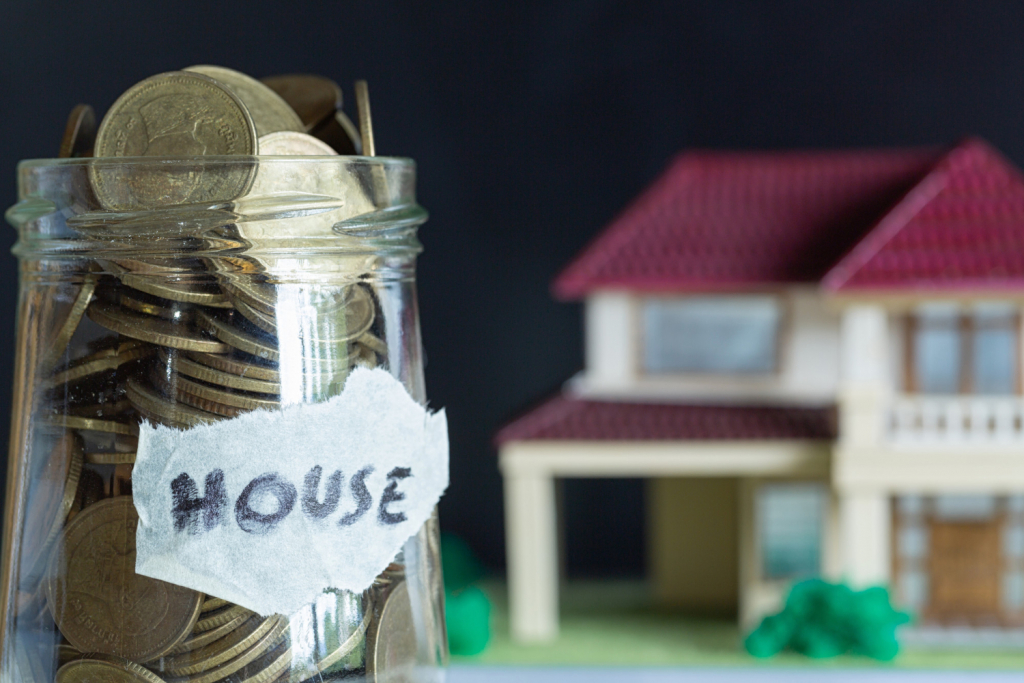
Yes, you can buy a house with debt. Most people do. The real question isn't whether you can, it's whether you should. Lenders care about your debt-to-income ratio (DTI), which measures your monthly debt payments against your monthly income. If your DTI is below 43% to 45%, you'll likely qualify for a mortgage.
But qualifying doesn't mean it's a smart financial move. Buying a house when you're already drowning in credit card debt at 24% interest is how people become house poor, where every dollar goes to bills, and you have zero breathing room.
Your Debt-to-Income Ratio Is Everything
Your debt-to-income ratio gives lenders a simple way to gauge how much you can afford to pay. It becomes one of the most important parts of your application. A strong ratio gives you better loan terms and more choices. A high ratio limits your options and increases your risk of becoming house poor.
Lenders use DTI to decide if you can afford a mortgage
Your debt-to-income ratio, calculated by dividing your monthly debt payments by your gross monthly income, is a helpful metric for determining how much to spend on a home. If you earn $6,000 per month and pay $1,800 in debt payments, your DTI is 30%. Most conventional loans require a ratio below 43%, though some lenders allow up to 50% for borrowers with strong credit and a large down payment. FHA loans can also allow higher ratios in some instances.
Every monthly debt counts toward this calculation. Credit cards, car loans, student loans, personal loans, and your future mortgage payment all go into this number. Groceries, utilities, or gas do not count as fixed debt obligations.
Here is another example that many buyers do not expect. If you make $8,000 per month, have a $400 car payment, $300 in student loans, $500 in credit card minimums, and a $2,000 projected mortgage payment, your monthly debt reaches $3,200. This gives you a 40% ratio, which usually qualifies. The approval feels good at first, but the real question is whether it fits your life safely. You need extra room for home repairs, savings, and emergencies. A lender only looks at your numbers, not your comfort or long-term goals.
Lower DTI means better loan terms and more options
A strong ratio gives you better interest rates and more loan options. A ratio below 36% is excellent and qualifies you for the best terms. Ratios between 36% and 43% are acceptable, but you will pay higher interest.
Even a small increase in interest adds up. It can cost tens of thousands of dollars over the life of a mortgage. If your ratio becomes too high, lenders may reject you or approve a much smaller loan. Many buyers only learn this after applying, which creates stress and delays.
Here are a few ways your ratio affects your loan:
- A lower ratio reduces your interest rate and saves money over time.
- A higher ratio limits your loan amount and increases your monthly payment.
- The difference between 36% and 48% can change your entire financial picture.
These points align well with the 28/36 rule and provide a clear place to add your internal link. A low ratio gives you more financial breathing room and helps you enter homeownership with stability.
Calculate your DTI before you even talk to a lender
It helps to know your number early, before even beginning to save for a house.
Add all your minimum monthly debt payments. This includes credit cards, car loans, student loans, and personal loans. Leave out groceries, utilities, or anything that does not count as a fixed debt. Divide this number by your gross monthly income. If you earn $90,000 per year, your gross monthly income is $7,500. If your monthly debts total $2,250, your DTI is 30%.
You should also add your estimated mortgage payment to your ratio to see where you would land after buying a home. A $2,000 mortgage payment added to a 30% ratio pushes you to 56%. Most lenders would reject this number. Calculating everything in advance gives you time to improve your situation before you apply. You can pay down debt, adjust your budget, or choose a smaller home.
Not All Debt Is Created Equal (Lenders Care About This)
Some debt looks safer to lenders. Some debt creates risk. The type of debt you carry affects your loan terms, your approval odds, and how comfortable your monthly payments feel.
Student loans are considered "good debt" by most lenders
Federal student loans follow clear repayment rules and rarely cause trouble when paid on time. They are actually one of the few types of “good debt” that aren’t frowned upon as much as other debts. They cannot be discharged easily, and they follow predictable rules.
If your student loan payments are made on time each month, lenders see this as responsible debt. Automatic payments from your bank account or paycheck help even more because they show dependable behavior. Private student loans with higher interest rates still count, but if you have maintained a perfect record, lenders will continue to treat your payment history as a positive sign.
Student loans often carry lower interest rates than other forms of debt. This means the monthly payment tends to be manageable. Lenders know that most borrowers treat student loans as long-term debts that fit into their budgets. Because of this, student loans rarely harm an application unless the monthly payment is large enough to push your debt-to-income ratio too high.
Credit card debt raises red flags about your spending habits
Carrying high credit card balances, especially if you are maxed out or only making minimum payments, tells lenders you may be living beyond your means. If you have $30,000 in credit card debt at 24% interest, lenders know you are paying about $600 per month in interest before even touching the principal. This money cannot go toward a mortgage, and it limits how much you can save. High-interest credit card debt makes your monthly budget tight and signals trouble to lenders.
Using credit cards the right way helps your application. Paying off the full balance each month shows control and good financial habits. You show lenders that you know how to manage credit without getting into trouble. This builds trust and strengthens your chances of approval. When you lower your balances, you reduce your debt-to-income ratio and create more room for a mortgage.
Here are the main effects of high credit card debt:
- High interest drains your income.
- Lower balances improve your ratio and loan terms.
- Paying off debt gives you more control and more room to save.
Taking care of high-interest debt first helps you prepare for a home purchase. It protects your budget and makes the rest of the mortgage process easier.
Car loans are neutral as long as payments are reasonable
Car loans do not hurt your mortgage application unless the payments take up too much of your income. A $400 car payment on a $60,000 income is normal and usually acceptable. An $800 payment on the same income signals that your budget may not be well-balanced. Lenders know most people need a car to work, so a moderate payment is fine. It becomes a problem only when the car payment exceeds your monthly income.
If your car payment is draining your budget, you may need to adjust before buying a home. Selling the car and choosing something cheaper can lower your debt-to-income ratio and help you qualify for a mortgage. Your house matters more than impressing people on the road. A healthy car payment that fits your income helps you move toward homeownership with more stability.
Payday loans and collection accounts destroy your chances
Payday loans show lenders that you are taking on very high-risk debt. These loans signal financial stress and poor options. Almost all lenders view recent payday loans as a major warning sign. Collection accounts also create problems because they show that you have defaulted on past debts. Lenders worry that if you defaulted before, you may default again.
If you have accounts in collections, paying them off helps. You should also wait at least 12 months before applying for a mortgage. This gives your credit report time to show improved behavior. Paying off old debts and keeping your record clean helps your application and makes the lender feel more confident in your ability to handle a mortgage.
The Hidden Risk: Becoming House Poor
Buying a house with debt is common, but buying without a strong foundation can trap your entire budget. A home should support your life, not suffocate it.
Qualifying for a mortgage doesn't mean you can afford the house
Just because a lender approves you for a loan does not mean buying that home is a good idea. Lenders often approve people for more than they can comfortably handle. They focus on your numbers, not the full picture of your life.
Your Conscious Spending Plan says your fixed costs should stay between 50% and 60% of your take-home pay. These fixed costs include your mortgage, utilities, insurance, car payment, and minimum debt payments. When the mortgage alone takes up 45% of your take-home pay, everything else becomes tight.
A home that uses too much of your income leaves you with little room for repairs, savings, or emergencies. A single unexpected bill can push your budget over the limit. Many people feel proud when they qualify for a larger loan, but a big loan does not mean a comfortable life.
For more information on applying and qualifying for a mortgage before purchasing your first home, you can read my article, Tips for First Time Home Buyers And How to Avoid Big Mistakes.
Clara and Devin earn $170,000 but are always broke
Clara and Devin came on my podcast, earning $170,000 per year with three kids. Their fixed costs accounted for 74% of their take-home pay, leaving them with almost no flexibility.
They had a $1,300 monthly car payment on a Kia EV, two other car payments totaling $800, two mortgages totaling $2,900, and credit card debt from overspending. Before buying groceries or paying for childcare, they spent more than $5,000 every month on cars and housing alone.
Even with a high income, they had no savings and only $16,000 in retirement accounts. If either of them lost their job, they would have been in trouble within weeks. Their lifestyle created a trap where the house and cars controlled their money. Stories like this show how easy it is to look successful on the outside while feeling pressure and stress at home. A stable financial base matters more than the size of the house.
Being house poor means zero financial flexibility
When you are house poor, every dollar is committed before you even get paid. You cannot build an emergency fund, invest for the future, or save for retirement. Even small expenses feel heavy because you have no buffer. A home becomes a burden instead of a place that supports your life. Simple things like going out to dinner, taking a weekend trip, or buying something fun feel stressful.
A sudden expense can put you in danger. A broken water heater or a car repair can become a major problem when you have no extra money. Homeownership should give you stability. It should not create a cycle where you are always worried about making payments.
Should You Pay Off Debt Before Buying a House?
Paying off debt first is often the smarter path, though the best choice depends on the kind of debt you carry and how prepared you are for the costs of owning a home.
High-interest debt should always be eliminated first
If you have $20,000 in credit card debt at 24% interest, you pay about $4,800 per year in interest alone. This is $400 per month that could help support your mortgage or build your emergency fund. Paying off high-interest debt before buying a home protects you from constant financial strain. It also improves your debt-to-income ratio and strengthens your mortgage application.
Someone who owes $35,000 in credit card debt and pays $2,000 per month becomes debt-free in about 20 months. Waiting for that payoff puts them in a safer and stronger position when buying a home. Their monthly budget becomes lighter, and their savings can grow. Handling high-interest debt first helps you avoid becoming house poor and protects your future.
Here are the main points to remember when it comes to debt and loan budgeting:
- High interest drains your income.
- Lower balances improve your ratio and loan terms.
- Paying off debt gives you more control and peace of mind.
Taking care of high-interest debt helps you enter homeownership with security and confidence.
Low-interest debt like student loans is less urgent
Low-interest debt, such as student loans, does not need to be paid off before buying a house in many cases. If your loans have a 4% interest rate and your investments earn 8%, keeping the loans while investing makes sense. Your money grows faster than the interest you owe. But monthly student loan payments still affect your debt-to-income ratio. If your payment is $800 per month and this number prevents you from qualifying for the mortgage you want, paying it down becomes more important.
Low-interest debt should not stop you from building savings or improving your long-term financial plan. Run the numbers for your own situation. The right choice depends on your budget, your goals, and how much space you want in your life after buying a home.
Build your emergency fund first
Before buying a home, you need an emergency fund with at least 6 months of expenses saved in a high-yield savings account. This step is not optional. If your monthly expenses are $4,000, you need $24,000 in savings. This money protects you when your car breaks down, your roof leaks, or your heating fails. Home repairs are expensive and often come without warning. Without an emergency fund, you may fall into debt again or risk falling behind on your mortgage.
Red Flags That You're Not Ready to Buy A House With Debt
There are clear signs that buying a home may not be safe for you yet. These signs show that your budget is too tight or your financial base is not strong enough.
You have no emergency fund
If you plan to drain your savings for a down payment and closing costs, you are not ready to buy a home. Homeownership requires a cushion. Furnaces break, roofs leak, and appliances stop working. Without savings, these problems push you deeper into debt. A home should give you stability. Having no financial cushion removes that stability and replaces it with stress.
You're still using credit cards for basic expenses
If groceries and gas go on credit cards because you have no cash, adding a mortgage is a major risk. Strategic credit card use for rewards is fine. Using cards because your budget cannot cover essentials is a warning sign. A mortgage increases your monthly commitments. If you are already struggling with basic costs, you need more time before buying a home.
Your debt payments stress you out every month
If your current debt payments feel heavy or stressful, a mortgage will only add more weight. Homeownership should not increase your anxiety. You need enough room in your budget to handle surprises and daily expenses. If your money feels tight already, waiting gives you time to improve your situation. A calm, stable budget helps you enjoy the home you choose.
Smart Steps If You Want to Buy With Debt
You can buy a home while carrying debt, but you need a plan. Improving your credit score, lowering your debt-to-income ratio, and talking with the right professionals help you make safe choices. These steps give you more room in your budget and create better loan options.
Get your credit score as high as possible
A strong credit score helps you qualify for better loan terms and lower interest rates.
Paying down credit card balances below 30% of your limit helps your score. Making every payment on time for at least 6 months helps even more. A single late payment can drop your score by 50 points. You should also avoid opening new credit accounts or taking on new loans before applying for a mortgage. Keeping your credit stable gives lenders confidence and supports your application.
Lower your DTI strategically
Lowering your debt-to-income ratio does not always mean paying the highest interest first. Paying off debts with the largest monthly payments frees the most room in your budget. For example, eliminating a $350 car payment lowers your ratio more than paying off a $5,000 credit card with a $100 minimum fee. You can also reduce your ratio by increasing your income. A side business, extra hours, or a raise lowers your ratio even if your debts stay the same. Improving your ratio helps you qualify for a larger loan and get better terms.
Talk to a mortgage broker before you start house hunting
A mortgage broker can tell you where you stand before you start looking at homes. They explain the loan programs you qualify for, your likely interest rate, payment time period, and your ideal price range. This helps you avoid the mistake of shopping for homes that do not fit your budget. A broker can also show you the steps needed to strengthen your application. Knowing your numbers first saves time and keeps you focused on options that work for your life.
Remember, Just Because You Can Buy a House With Debt Doesn't Mean You Should
Yes, you can buy a house with debt. Many people do it every year. But the real question is whether buying a home with debt supports your long-term goals and your Rich Life. If you carry $40,000 in credit card debt at 24% interest, you are paying thousands each month before even starting your mortgage. Adding a house payment stretches your budget further and leaves you vulnerable in the event of an emergency.
Buying a home should bring stability and comfort. Entering homeownership with high-interest debt, a weak emergency fund, and a tight budget makes it hard to enjoy your life. Improving your financial foundation first gives you more freedom and less stress. Your house should support your life, not control it. When your foundation is strong, you can buy a home from a position of strength and enjoy the benefits without feeling trapped.
Your goal is to take steps that give you more control and help you enjoy the life you want. A home should add to your Rich Life, not limit it.
Stay in the know
Be the first one to receive new releases,
special offers, and more